Can a Vrindavan Property Earn Rental Income? Pilgrim Stays, Long Lets and Reality
What rental income in Vrindavan really looks like: pilgrim demand, the 2025 UP homestay rules, seasonality and realistic yields, so you plan sensibly.
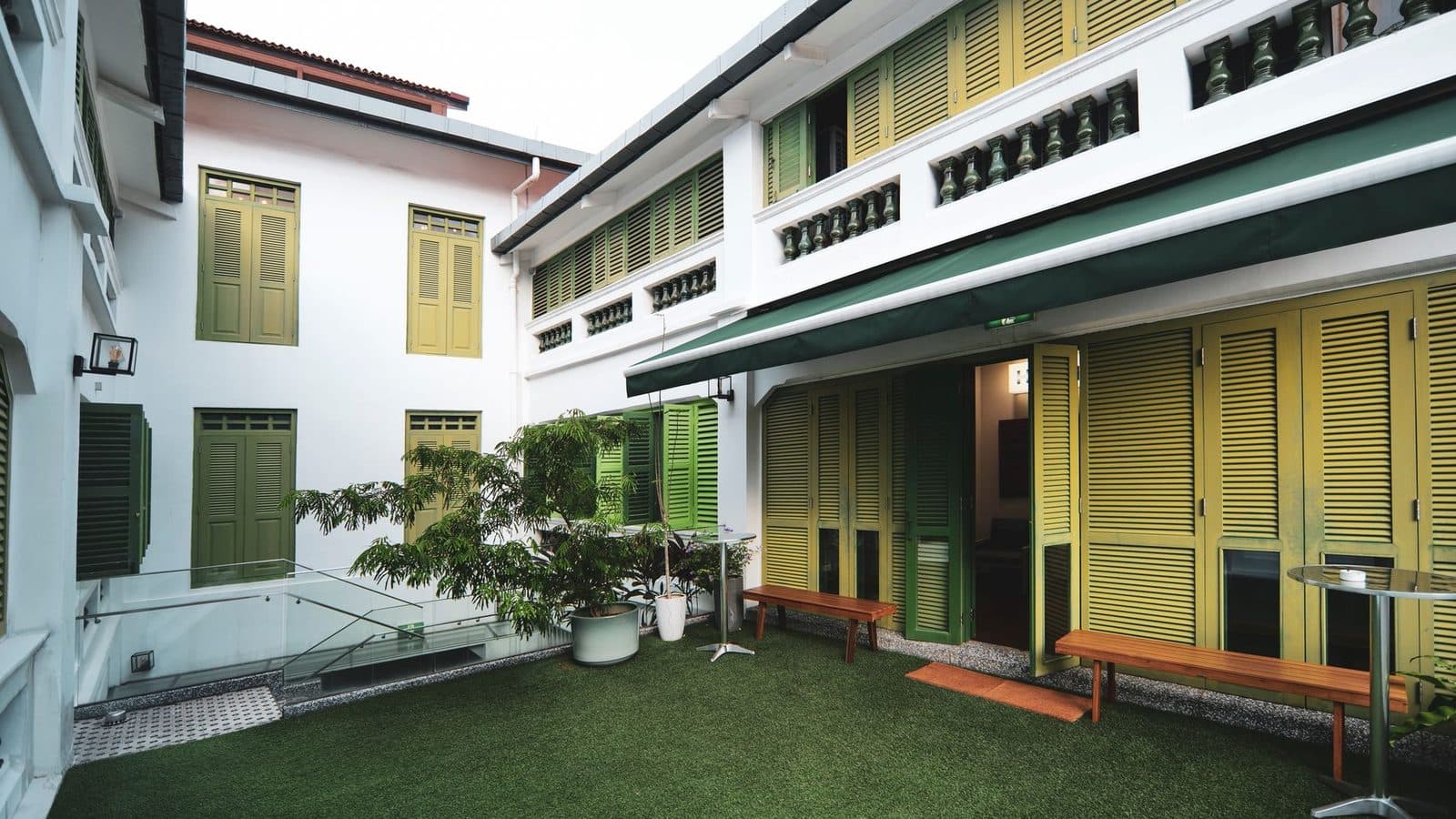
Photo: ZHIGANG MENG / Pexels
Yes, a Vrindavan property can earn rental income, but only once there is a building on it, and the income is seasonal and modest unless you run it actively. Pilgrim footfall is real and rising, the state has formalised homestays, and long lets exist near the main roads. What does not exist is a passive, high-yield rental from a plot you never visit. Here is the realistic picture.
The demand is real: what the visitor numbers say
Uttar Pradesh Tourism's district data, as reported in January 2025, put Mathura district at 9,00,81,788 visitors in 2024, up from 7,79,27,299 in 2023, with 1,36,079 foreign visitors. That made Mathura the fourth most-visited district in the state after Ayodhya, Varanasi and Agra. Statewide, the Union Tourism Ministry ranked UP first for domestic tourism in 2025 with 137 crore visitors, and press coverage names Mathura–Vrindavan among the centres driving that.
Most of those visitors are day-trippers or stay one or two nights. That is exactly the market a homestay or guest room serves, and it is why the guesthouse lanes around Banke Bihari and ISKCON are always full on weekends. Our fuller analysis of the figures is in how many pilgrims visit Mathura–Vrindavan each year.
The seasonality nobody mentions in a sales pitch
Vrindavan's calendar makes occupancy lumpy. Holi in March, Janmashtami in August or September, the whole of Kartik (October–November) and Govardhan Puja bring crowds that fill every bed in town. May and June, at 40 degrees plus, are quiet. Weekends beat weekdays all year.
For a homestay owner this means a few extraordinary weeks, a decent winter, and a thin summer. Any yield you calculate must average those. Our post on Kartik month in Vrindavan explains why devotees book months ahead for that one period.
Three ways a Vrindavan property earns
1. Registered homestay for pilgrims
Uttar Pradesh approved a Bed and Breakfast and Homestay Policy in 2025 that finally gives small hosts a legal frame. The main rules, from the policy summaries we could open:
- 1 to 6 guest rooms, maximum 12 beds; no more than two-thirds of the home offered to guests.
- The host must live on the premises. This is the condition that decides whether a homestay is possible for your family.
- Guest stays capped at 7 consecutive days, renewable.
- A no-objection certificate from the local body, then online registration on the UP Tourism portal.
- Registration fees of Rs 2,000 (Silver) or Rs 3,000 (Gold) for urban units, Rs 500 or Rs 750 for rural ones; the certificate runs for two years.
- Existing and new units were required to register by 9 June 2026.
- Registered owners become eligible for certain marketing reimbursements.
A homestay in Vrindavan therefore suits a home where parents or a family member live year-round and the family lets two or three rooms. It does not suit an absentee owner. We cover the process in running a homestay in Vrindavan.
2. Long-term letting of a floor or unit
The quieter option. Temple staff, ashram workers, shopkeepers, hospital staff and students rent 1 and 2 BHK units near the main roads. Yields are lower than a busy homestay in season but steady across the year, with none of the linen-and-breakfast work. Many families build a ground floor for themselves and a first floor to let; our 200 sq yd duplex and rental-floor ideas show how the plan works.
3. Seasonal letting to families you know
Informally, many NCR owners lend or let their Vrindavan home to relatives and friends for Kartik or Holi. It is not a business, but it covers the caretaker and the electricity bill and keeps the house lived in.
What yields to realistically expect
No survey publishes a Vrindavan rental yield, so we will not invent one. Two benchmarks help you think:
| Benchmark | Figure | Source period |
|---|---|---|
| India, gross residential yield, major cities | about 4.98% | Q3 2024 |
| Delhi-NCR, projected gross yield | 5.2–5.5% | 2025 projection |
| Vrindavan residential plots | about Rs 40,000–70,000 per sq yd; ~8.2% price growth year-on-year | Dec 2025 report |
Notice the third row. In Vrindavan the return has come mostly from land appreciation, not rent. A long let on a built floor in a pilgrim town is unlikely to beat the big-city average by much; a well-run homestay near the temples can, in season, and then gives it back in summer. Anyone quoting you a double-digit rental yield for a Vrindavan property is quoting the best fortnight of the year.
What type of property actually rents
From what we see with our own buyers and their neighbours:
- Rents easily: compact homes within a short e-rickshaw ride of Banke Bihari, Prem Mandir or ISKCON; clean attached bathrooms; a gate and parking; a ground floor for elderly guests.
- Rents steadily: 1 and 2 BHK floors on or near the main roads, in gated layouts, to working tenants.
- Rents with effort: larger homes in outer colonies, which suit family groups in season but sit empty otherwise.
- Does not rent: a vacant plot.
Govardhan follows the same logic on a smaller scale. Parikrama pilgrims and Govardhan Puja crowds want simple, clean rooms near the parikrama marg; our layouts at Aanyor and Jamunavata sit in that band and are listed at /projects.
Costs and obligations to net off
Before you count the income, count these: property tax where applicable, utilities, cleaning and linen for a homestay, a caretaker if you are away, repairs after each season, the homestay registration fee, and income tax on the rent. GST and other registrations may apply as a homestay grows; confirm with your accountant. Also count the weeks the property sits empty between guests, and the wear that a steady stream of visitors puts on bathrooms, bedding and paint. Owners who budget a full repaint and fittings refresh every few years are rarely disappointed; those who assume the house looks after itself usually are. A property that nets you a few percent after these, plus land appreciation, is a good Vrindavan outcome.
What this means for you
Buy in Vrindavan or Govardhan because you want the land and the life; treat rent as the thing that pays the caretaker and the electricity, not the reason to buy. If someone in the family will live there, a registered homestay near the temples is a genuine small business. If nobody will, plan a rental floor and a long let. And remember that a plot earns nothing until you build, so if income matters to you, budget the build from day one. For a frank conversation about which of our layouts suits a rental plan, reach us through /contact.
Frequently asked questions
How much rental income can a property in Vrindavan earn?+
No published survey gives a Vrindavan-specific yield. Across major Indian cities gross residential yields averaged about 4.98 percent in late 2024, with Delhi-NCR projected at 5.2 to 5.5 percent for 2025. Pilgrim-town short stays can beat that in season and fall well below it off-season. Plan on a long-let yield in the low single digits and treat festival-season homestay income as upside.
Is there demand for homestays in Vrindavan?+
Yes, and it is growing. UP Tourism data reported 9.0 crore visitors to Mathura district in 2024, up from 7.79 crore in 2023, including about 1.36 lakh foreign visitors. Demand peaks around Holi, Janmashtami, Kartik and Govardhan Puja and thins in the hot months, so occupancy is uneven across the year.
What are the rules for running a homestay in Uttar Pradesh?+
The UP Bed and Breakfast and Homestay Policy 2025 allows 1 to 6 guest rooms and up to 12 beds, requires the owner to live on the premises, caps a guest's stay at 7 consecutive days with renewal, and requires a local-body NOC plus registration on the state tourism portal. Urban registration fees are Rs 2,000 (Silver) or Rs 3,000 (Gold), and the certificate is valid for two years.
Can a vacant plot earn rent?+
Not in any meaningful way. A plot earns when there is a building on it. The common path for families is to build a ground floor for their own use and a first floor to let, or to build a compact 3 to 4 room home that can be registered as a homestay once a family member lives there. Until then, the plot is a land holding, not an income asset.
Which type of Vrindavan property rents best?+
Homes within a short auto ride of Banke Bihari, Prem Mandir or ISKCON, with parking, clean bathrooms and a gate, rent most easily to pilgrims. For long lets, 1 and 2 BHK units near the main roads suit temple staff, students and small businesses. Large villas far from the temples are the hardest to let.
Sources
- Travel Heights — 65 crore tourists visited Uttar Pradesh in 2024 (UP Tourism district-wise data)
- Free Press Journal — Uttar Pradesh tops domestic tourism rankings in 2025 with 137 crore visitors
- PlotLandGuide — UP launches BnB and Homestay Policy 2025, mandatory registration by 9 June 2026
- Dwarka Puri — UP Tourism B&B and homestay registration guide for Vrindavan
- UP Tourism — Bed and Breakfast scheme (policy document, Jun 2025)
- iRealty247 — Average rental yields in India in 2025
- Business Today — Ayodhya or Vrindavan real estate: which location can deliver better returns (Dec 2025)
rental incomevrindavanhomestaypilgrim staysinvestmentyield