Ten Land-Buying Mistakes People Make in Vrindavan and Mathura
The ten land buying mistakes we see most in Vrindavan and Mathura, from unapproved colonies to GPA sales and cash tokens, and how to avoid each one.

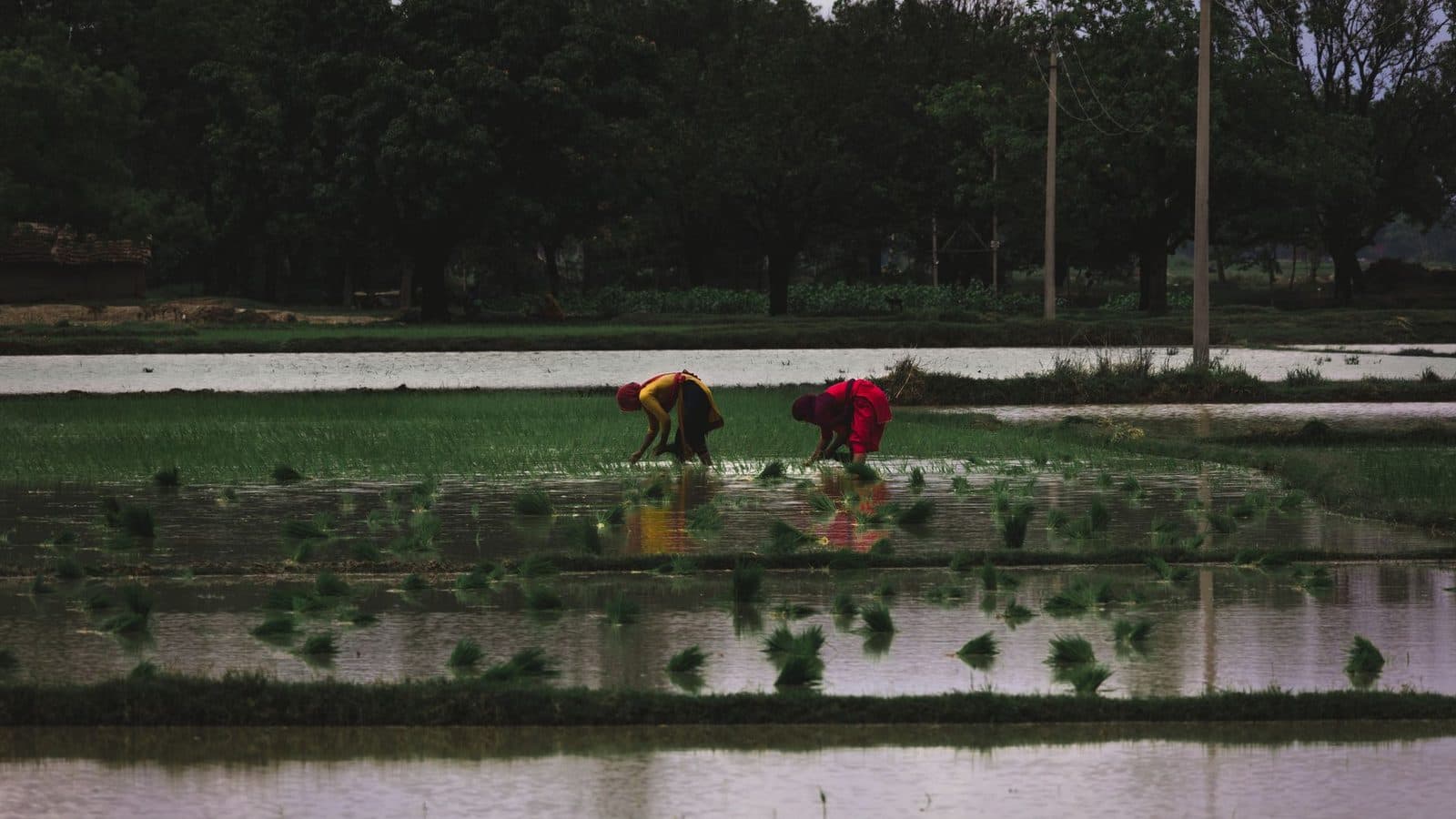
Photo: Sami Aksu / Pexels
The land buying mistakes that hurt families in Vrindavan and Mathura are not exotic. They are the same ten errors, repeated because the price was tempting and the seller was persuasive. Every one of them is avoidable with a document, a site visit or a bank transfer. Here they are, roughly in the order they cost people money.
1. Buying in an unapproved colony because it is cheaper
This is the big one. A field near the parikrama is cut into "plots" on a printed drawing, a road is graded, a gate is painted, and plots are sold at a fraction of approved-layout prices. The land is still agricultural in the khatauni, the layout has no sanction from the Mathura-Vrindavan Development Authority, and the drawing exists only on the seller's brochure. Buyers get a registered deed for an undivided share of farmland and a plot number nobody else recognises.
The consequences arrive later: no legal building permission, no municipal services, demolition notices, and no buyer at resale who does due diligence. Ask for the MVDA layout sanction letter and drawing before anything else. Our guide to what MVDA approval means explains how to verify it.
2. Accepting a GPA instead of a registered sale deed
"Registry later, GPA now" saves the seller stamp duty and leaves you with nothing. In Suraj Lamp v. State of Haryana (October 2011), the Supreme Court held that sale agreement, general power of attorney and will transactions "do not convey any title nor create any interest in an immovable property", and that property is transferred only by a registered deed of conveyance. Genuine POAs, such as one that lets your brother sign at the sub-registrar's office while you are abroad, remain valid. A GPA offered as the sale itself does not. Read why buying on power of attorney is risky.
3. Buying agricultural land as if it were a plot
Even outside a colony, families buy a bigha of farmland "to build a small house later". Under Section 80 of the UP Revenue Code 2006, land leaves agricultural use only when the Sub-Divisional Officer makes a declaration after enquiry; the officer has 45 working days to decide, and a mere declaration of suitability does not change the land use and lapses if nothing is built within five years. Until that is done and a layout is sanctioned, you own a field. Bank plot loans exclude agricultural land, and NRIs cannot buy it at all under FEMA. The difference is spelled out in agricultural land vs approved plot.
4. Trusting verbal promises about roads, water and approval
"Approval is coming next month." "The 12-metre road will be built after monsoon." "Water line is sanctioned." If it is not in the sanctioned layout, the agreement to sell, or a written undertaking, it does not exist. Under RERA, promoters of projects above 500 square metres or eight plots must disclose approvals, layout and completion schedule in writing; hold everyone to that standard whether or not they are registered.
5. Skipping the site visit
Buying from a brochure, a video call or a relative's recommendation is how people end up with a plot in a low-lying corner next to a drain, or a plot whose "park view" is a neighbour's cattle shed. Visit, ideally after rain, and walk to your plot's corner pillars. Our checklist of questions to ask at a site visit is written for this.
6. Ignoring the access road and its width
A plot reached by a six-foot lane between two houses is a plot you cannot build on comfortably or sell easily. Uttar Pradesh's Building Bye-laws 2025 treat nine metres as the reference width for residential roads, and lenders and ambulances have their own opinions about narrow lanes. Measure the road in front of the plot with a tape and compare it with the layout drawing. Also check that the access road itself is on land the developer owns or that is a public road, not a neighbour's field that will one day be fenced.
7. Not checking the revenue record yourself
The khatauni and khasra for the land are public on UP Bhulekh. Five minutes there tells you who the recorded owner is, how big the parcel is, whether it is still agricultural, and whether there are court or mortgage remarks. Buyers who skip this discover later that the seller owned half the parcel, or none of it. Our walkthrough is at how to check land records on UP Bhulekh.
8. Paying the token in cash
Cash tokens leave no trail and break the law. Section 269SS of the Income Tax Act bars a seller from accepting Rs 20,000 or more in cash as an advance for immovable property; the penalty under Section 271D equals the cash taken. Section 269ST separately caps cash receipts at Rs 2 lakh per person per day, with a matching penalty. Transfer the token from your bank account, get a receipt naming the plot and layout, and sign a written agreement that says what happens if either side withdraws.
9. Forgetting the tax steps at registry
If the price is Rs 50 lakh or more and the seller is a resident, Section 194-IA requires you, the buyer, to deduct 1 percent of the higher of the sale price or the stamp duty value and deposit it with the tax department; only your PAN is needed, not a TAN, and the return is filed within 30 days of the end of the month. Agricultural land is excluded. Buyers who miss this face interest and penalties later. If the seller is an NRI, different and heavier rules apply under Section 195; involve a chartered accountant before you pay.
10. Buying for the wrong reasons, at the wrong distance
The last mistake is not legal but practical. Families buy in the congested old town for closeness to the temple and discover the car cannot reach the door. Or they buy far out for a low price and discover nobody, including themselves, wants to be there. Or they buy for rumours about a corridor or a road that may take a decade. Buy where you would actually live or visit, in an approved layout with a gate and a real road, ten to fifteen minutes from the temples, and let the appreciation follow.
The ten mistakes and their fixes
| Mistake | The fix |
|---|---|
| Unapproved colony | MVDA sanction letter and stamped layout |
| GPA instead of deed | Registered sale deed in your name |
| Agricultural land | Section 80 declaration plus layout sanction |
| Verbal promises | Everything in writing, in the agreement |
| No site visit | Walk the plot, after rain if possible |
| Narrow or borrowed access | Tape-measure the road; confirm who owns it |
| Unchecked revenue record | UP Bhulekh khatauni before the token |
| Cash token | Bank transfer, receipt, written agreement |
| Missed TDS | 1 percent under 194-IA when price is Rs 50 lakh or more |
| Wrong location | Approved layout, real road, sensible distance |
What this means for you
None of these mistakes needs a lawyer to avoid; they need patience and a refusal to be hurried. Ask for the sanction letter, check Bhulekh, visit the site, pay by bank, and insist on a registered deed. If a seller resists any one of those, you have your answer. Our layouts at Govardhan and Vrindavan are listed at /projects, and we are happy to be tested against every line above; start with /contact.
Frequently asked questions
What is the most common land buying mistake in Vrindavan?+
Buying a plot in an unapproved colony because it is cheap. The land is usually still agricultural in the revenue record, the layout has no MVDA sanction, and the colony can be denied services or demolished. The buyer holds a registered deed for farmland with a plot number that exists only on the seller's brochure. Always ask for the layout sanction letter first.
Is it safe to buy land on a general power of attorney?+
No. The Supreme Court in Suraj Lamp v. State of Haryana (2011) held that sale agreement, GPA and will transactions do not transfer title; only a registered deed of conveyance does. A genuine POA that lets a relative sign the deed for you is fine. A GPA offered instead of a sale deed is a way to avoid stamp duty, and it leaves you without ownership.
Can I pay the token for a plot in cash?+
You should not. Section 269SS of the Income Tax Act bars a seller from accepting Rs 20,000 or more in cash as an advance for immovable property, and the penalty equals the amount received. Section 269ST separately caps cash receipts at Rs 2 lakh per person per day. Pay by bank transfer and get a receipt that names the plot and layout.
Why does agricultural land cost so much less than an approved plot?+
Because it is not a plot. Land recorded as agricultural cannot legally be used for housing until a declaration under Section 80 of the UP Revenue Code moves it out of agricultural use, and a colony on it needs an MVDA-sanctioned layout. The price gap is the cost and risk of those steps, which the buyer of a cheap plot is quietly taking on.
Do I need to deduct TDS when buying a plot?+
If the price is Rs 50 lakh or more and the seller is a resident, Section 194-IA requires the buyer to deduct 1 percent of the higher of the sale price or stamp duty value and deposit it with the tax department using the buyer's PAN; no TAN is needed. Agricultural land is excluded. Buying from an NRI seller follows different rules under Section 195.
Sources
- Indian Kanoon — Suraj Lamp & Industries v. State of Haryana (11 Oct 2011)
- Indian Kanoon — UP Revenue Code 2006, Section 80
- LawGratis — Is RERA approval mandatory for plots?
- Tax Garden — Cash transaction limits: Sections 269SS, 269T, 269ST and penalties
- Tax Garden — TDS on property purchase: Section 194-IA and Form 26QB
- Daily Jagran — UP notifies new Building Bye-laws 2025 (Jul 2025)
- Assetly — Can NRIs buy agricultural land in India? FEMA rules
buying guidemistakesvrindavanmathuraunapproved colonygpa