NRI Buying Property in India: What Is Allowed and What Is Not
FEMA rules for an NRI buying property in India, in plain words: what you may buy, how to pay and what you can repatriate, so you avoid a compliance headache.

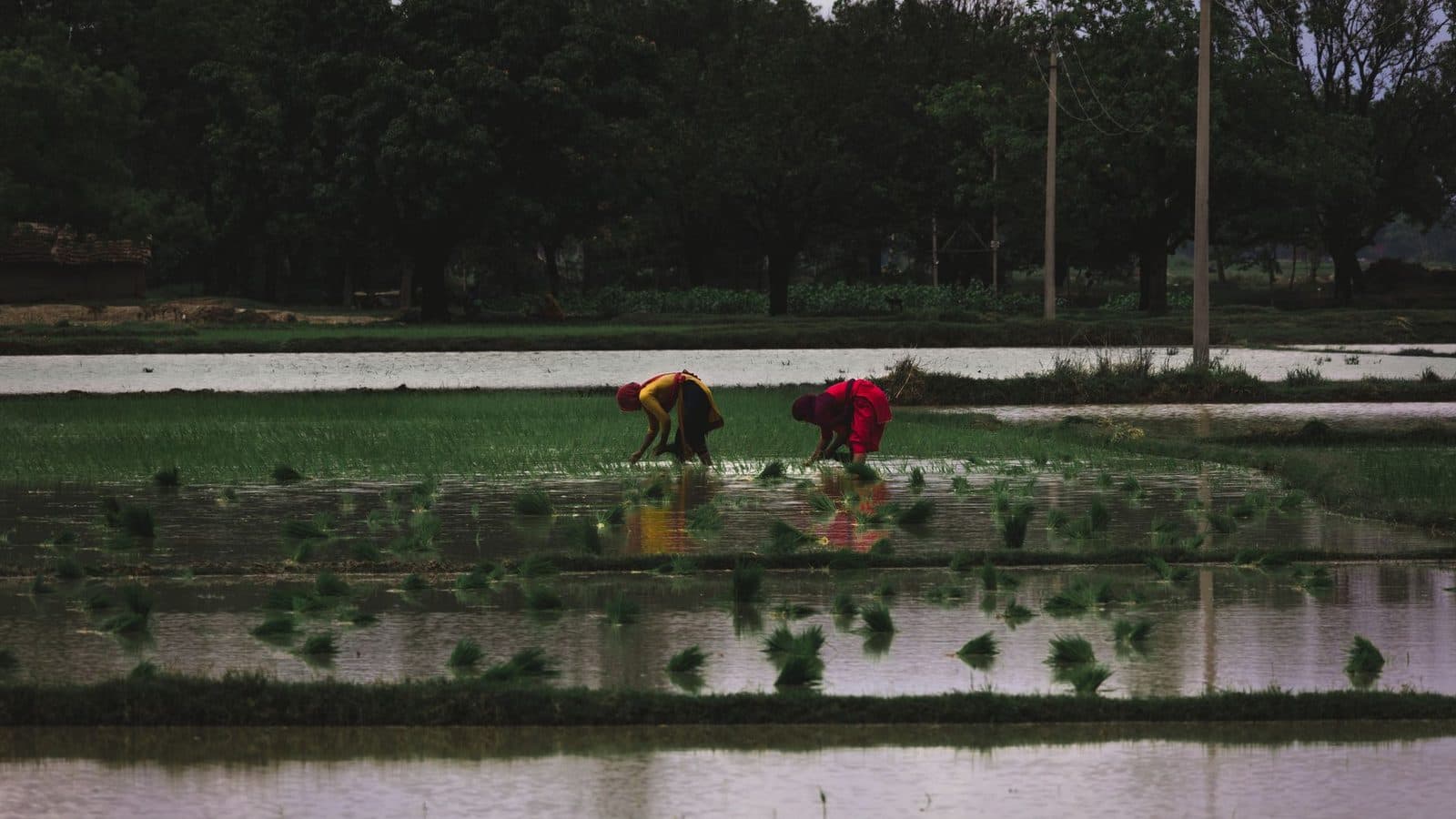
Photo: Nitai Mondal / Pexels
An NRI buying property in India may purchase residential and commercial property freely, but may not buy agricultural land, a plantation or a farmhouse. Payment must come through Indian banking channels or an NRE, NRO or FCNR(B) account, and there are limits on how much of a future sale you can take back abroad. Everything else in this guide is detail around those three sentences.
Who counts as an NRI or OCI for these rules
The Foreign Exchange Management Act (FEMA) and the RBI's regulations under it decide what a non-resident may own in India. Two groups get the same general permission: Non-Resident Indians (Indian citizens living abroad) and Overseas Citizens of India (foreign passport holders with an OCI card). Both can buy under the rules below without asking the RBI first.
Foreign nationals who are neither NRI nor OCI are a different case. Citizens of Pakistan, Bangladesh, Sri Lanka, Afghanistan, China, Iran, Nepal, Bhutan, Macau, Hong Kong and North Korea need prior RBI permission to acquire or transfer immovable property in India. If your family holds such a passport, take advice before you pay a token.
What an NRI may buy, and what is off-limits
Under general permission an NRI or OCI can:
- Buy residential or commercial property from a resident, an NRI or an OCI.
- Hold any number of such properties. The RBI's FAQ is explicit that there is no cap and no filing with the RBI after purchase.
- Receive residential or commercial property as a gift from a relative who is resident, NRI or OCI.
- Inherit any immovable property, including agricultural land, from a person who acquired it lawfully.
What an NRI or OCI cannot do is buy agricultural land, plantation property or a farmhouse. It does not matter whether the seller is a resident or another NRI; the purchase is simply not permitted. Inherited farmland can be kept, but if you sell or gift it, the buyer must be a person resident in India who is an Indian citizen.
This matters in Braj because a lot of cheap "plots" advertised around Mathura are agricultural khasras with no land-use change. For an NRI that is not a bargain; it is a transaction you are not allowed to make. Our post on agricultural land versus an approved plot explains how to tell the two apart. Every layout on our /projects page is residential land.
How the money must move
FEMA cares about the payment channel as much as the asset. The rules are:
- Funds must be received in India through normal banking channels as an inward remittance from abroad, or paid out of an NRE, NRO or FCNR(B) account maintained in India.
- Traveller's cheques and foreign currency notes are not acceptable. Nor is paying the seller outside India.
- Housing loans from Indian banks and registered NBFCs are permitted for NRIs and OCIs.
Ask your bank for a foreign inward remittance certificate or the account debit advice for every payment, including the token. When you sell years later, the bank handling repatriation will want this trail, and reconstructing it from memory is painful.
Joint names with a resident spouse
Many NRI families want the plot in two names. The rules allow a spouse who is not an NRI or OCI (for example, a foreign citizen married to an NRI) to acquire one immovable property jointly with the NRI or OCI spouse, as long as it is not agricultural land, a farmhouse or plantation. A resident Indian spouse or parent can of course be a joint holder on ordinary terms. Joint holding does not change the payment rule: the NRI's share must still come from permitted funds.
Taking the money back abroad
You can sell to a resident, an NRI or an OCI (an OCI-to-OCI transfer needs RBI permission). Repatriating the proceeds has two limits:
| Question | Rule |
|---|---|
| How many residential properties' sale proceeds can be repatriated? | At most two |
| Annual cap on remittance from an NRO account | USD 1 million per financial year |
| Condition | Property acquired as per FEMA and paid from permitted funds |
For most families buying one plot in Govardhan or Vrindavan to build a home, these limits never bite. They matter if you are accumulating several properties as investments and plan to exit them all in one year. Capital gains tax applies on sale as well; see the basics in capital gains tax when you sell a plot.
Signing from abroad: the power of attorney
You do not need to fly in for registry. The usual route is a power of attorney (POA) in favour of a family member in India:
- Draft a special POA that names the exact plot, the layout and the acts allowed (sign the sale deed, present it for registration, receive possession). Avoid a general "all my property matters" POA.
- Sign it before an Indian consular officer, or before a notary and get an apostille if you live in a Hague Convention country. Some sub-registrar offices still prefer consular attestation, so ask before you choose.
- Courier the original to India. It must be stamped (adjudicated) within three months of arriving, under Section 18 of the Indian Stamp Act, or it cannot be used for registration.
- Have it registered at the sub-registrar office where the plot lies. Since the Supreme Court's 2011 Suraj Lamp judgment, treat any POA touching immovable property as needing registration.
Note the difference between using a POA to sign your own purchase deed (fine) and buying a plot from someone who only holds a POA (risky). We explain the second case in buying a plot on power of attorney.
Tax points to keep in view
Two tax rules attach to NRI transactions and neither is a FEMA rule:
- When a resident buys from an NRI seller, the buyer must deduct tax at source under Section 195 of the Income-tax Act at the capital-gains rate rather than the 1% that applies to resident sellers. If you ever sell your Vrindavan plot from abroad, expect this. Details in TDS when buying property from an NRI seller.
- Rental income and capital gains in India are taxable in India, with treaty relief depending on where you live.
What this means for you
If you are an NRI or OCI, an approved residential plot in Govardhan or Vrindavan is a purchase you may make freely: pay from your NRE or NRO account, register through a properly stamped and registered POA, and keep every bank advice. Steer clear of agricultural land, however tempting the rate. For the remote process end to end, read the NRI's guide to buying a plot in Vrindavan, or ask our team through /contact for a video walkthrough of a layout.
This is general information, not legal or tax advice. Please confirm with your advocate or chartered accountant.
Frequently asked questions
Can an NRI buy a residential plot in India?+
Yes. Under FEMA an NRI or OCI may buy residential and commercial immovable property in India under general permission, with no cap on the number of properties and no filing with the RBI. The one category that is closed is agricultural land, plantation property and farmhouses, which an NRI cannot buy under any general permission.
Can an NRI buy agricultural land in India?+
No. NRIs and OCIs are not permitted to purchase agricultural land, plantation property or a farmhouse anywhere in India. They may inherit such land, and inherited agricultural land can later be sold or gifted only to a person resident in India who is an Indian citizen. This is why an approved residential plot, not farmland, is the right product for an NRI.
How should an NRI pay for property in India?+
Payment must come into India through normal banking channels as an inward remittance, or be debited from an NRE, NRO or FCNR(B) account held in India. Traveller's cheques, foreign currency notes and payments made outside India are not allowed. Keep the bank advice for every instalment; you will need it at repatriation time.
Can an NRI take the sale money back abroad later?+
Partly, with conditions. Sale proceeds of at most two residential properties can be repatriated, and remittances from an NRO account are capped at USD 1 million per financial year. The property should have been bought in line with FEMA and paid for from permitted funds. Your bank will ask for proof of both, so keep the purchase trail clean.
Does an NRI have to be present in India for registry?+
No. An NRI can sign a power of attorney abroad, attest it at the Indian consulate or apostille it in a Hague Convention country, and have the attorney present the sale deed for registration. The POA must be stamped in India within three months of arrival and, for property, registered. A special POA naming the exact plot is safer than a general one.
Sources
- Reserve Bank of India — FAQs: Purchase of Immovable Property
- Deutsche Bank India — NRI Immovable Property Acquisition and Transfer FAQs
- TaxGuru — 51 FAQs on Acquisition and Transfer of Immovable Property by Non-Residents
- Ministry of External Affairs — Acquisition and Transfer of Immovable Property in India (PDF)
- NRI Information — Power of Attorney for India, executing one from abroad
nrifemaproperty rulesrepatriationpower of attorney