Stamp Duty and Registration Charges in Uttar Pradesh: Current Rates and How They Are Calculated
Stamp duty in Uttar Pradesh is 7 percent, 6 percent for women, plus 1 percent registration. Here is the circle-rate basis and a worked example so you can budget correctly.
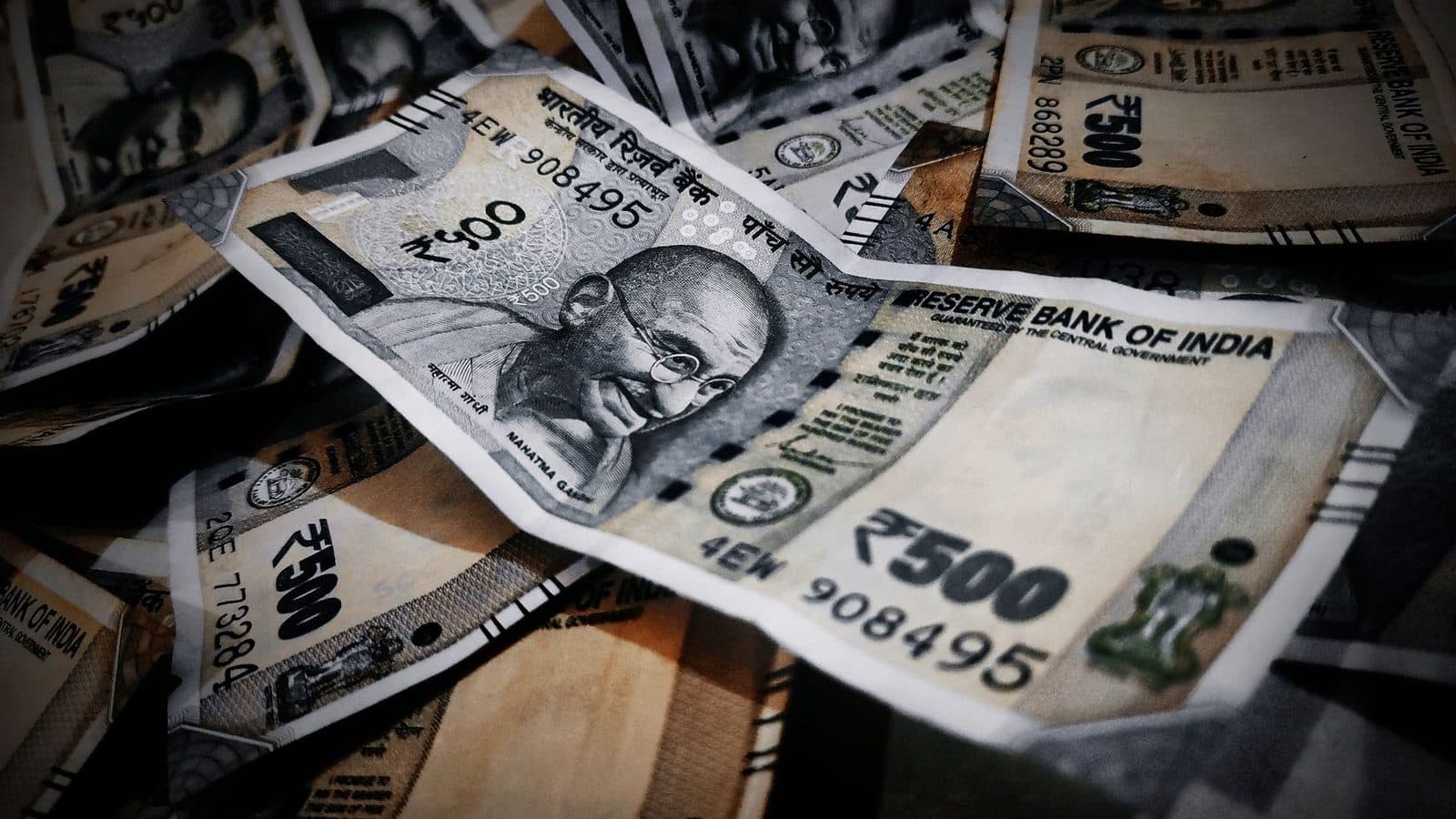
Photo: Pranav Choubey / Pexels
Stamp duty in Uttar Pradesh is the biggest cost in a plot purchase after the plot itself, and it is the one buyers most often under-budget because they compute it on the price they paid rather than the value the government assigns. The rules are simple once laid out: 7 percent for a man, 6 percent for a woman, 6.5 percent jointly, plus 1 percent registration, all on the higher of the circle-rate valuation and the agreed price. What follows is the detail, the women's rebate cap that changed in 2025, and a worked example you can adapt.
The current rates
Both the Home First and Kotak guides, each updated in June 2026, give the same schedule for Uttar Pradesh:
| Buyer | Stamp duty | Registration fee |
|---|---|---|
| Man (sole or joint with another man) | 7% | 1% |
| Woman, sole name | 6% | 1% |
| Man and woman jointly | 6.5% | 1% |
| Two women jointly | 6% | 1% |
Stamp duty is a state tax on the instrument, the sale deed. The registration fee is what the Sub-Registrar charges to enter the deed in the register. They are computed on the same base and paid together before the appointment.
What "value" means: the circle-rate rule
The base is not simply your price. Uttar Pradesh computes duty on the higher of two figures: the consideration stated in the deed, and the valuation derived from the district's circle rate (the minimum value per square metre that the Stamp and Registration Department fixes for each locality and road category). Square Yards' explainer puts it plainly: stamp duty is calculated on whichever is higher between the deal value and the circle rate.
Two practical consequences:
- If the circle rate for your village and road is higher than the price you negotiated, you pay duty on the circle-rate figure. This happens more than people expect in fast-changing areas after a rate revision.
- Under-declaring the price in the deed to save duty does not work below the circle rate, and it creates its own problems on resale. We cover the mechanics in circle rates explained.
The women's rebate and its cap
The 1 percent concession for women is old, but the cap on it changed. Until mid-2025 the concession applied only on property valued up to 10 lakh rupees, which meant a maximum saving of 10,000 rupees. On 22 July 2025 the Uttar Pradesh cabinet approved extending the 1 percent discount to property worth up to 1 crore rupees registered in a woman's name; News on AIR reported the decision the following day, noting the earlier 10 lakh limit and 10,000 rupee maximum. One percent of one crore is one lakh rupees, so that is now the ceiling on the benefit.
You will still find bank and portal guides that describe the concession as "applicable only up to Rs 10 lakh of the value"; those reflect the pre-July-2025 rule. When in doubt, the IGRS UP calculator applies the current rule automatically.
Two clarifications buyers often miss:
- The rebate follows the name on the deed, not who paid. A wife buying with a husband's funds still gets the 6 percent rate if the deed is in her sole name (with the tax and succession consequences that brings; see joint ownership).
- Joint male-female ownership gets the half-way rate of 6.5 percent, not the full concession.
A worked example with placeholders
Suppose you agree to buy a plot for P rupees, and the circle-rate valuation of the same plot (area × circle rate for that road category) is C rupees. Let V be the higher of P and C.
- Man's name: stamp duty 7% × V, registration 1% × V, total 8% × V.
- Woman's name (V up to 1 crore): stamp duty 6% × V, registration 1% × V, total 7% × V.
- Joint man and woman: 6.5% × V + 1% × V = 7.5% × V.
Home First's guide gives the concrete case of a 50 lakh rupee property bought by a man: 3,50,000 rupees stamp duty plus 50,000 rupees registration fee, 4,00,000 rupees in all. In a woman's name the same property would carry 3,00,000 rupees stamp duty and the same 50,000 rupee fee.
We do not publish plot prices on this site; our team shares the current rate sheet on WhatsApp. Whatever the figure, run it through the IGRS calculator against the circle rate before you finalise, so the deed value and the duty are settled together.
Concessions worth knowing about
- Transfers within the family. Home First's guide records a flat 5,000 rupee stamp duty on transfers between close blood relatives (spouse, children, parents, siblings, grandparents, grandchildren), with a 1,000 rupee processing fee and registration charges capped at 20,000 rupees. This matters when you later gift the plot to a child; see our note on gifting land.
- Women's rate. Covered above; the full rules are in our women buyers piece.
- Home-loan borrowers. Stamp duty is not part of the property cost banks finance, so plan to pay it from your own funds.
How to pay
Everything runs through igrsup.gov.in, the portal of the Inspector General of Registration and Stamps. The home page lists a stamp and registration fee calculator (स्टाम्प-निबन्धन शुल्क कैलकुलेटर) and the circle-rate list (मूल्यांकन सूची). Kotak's guide lists debit card, credit card, net banking and demand draft as accepted modes; cheques are not. After payment you receive an e-stamp certificate number, which is entered in the registration application, and the paid duty is verified at the Sub-Registrar office on the day. The portal also has a stamp refund application (स्टाम्प वापसी) if a deal falls through after payment; the procedure and timelines for refunds should be confirmed at the office.
The full appointment-day sequence is in our registry guide.
Common mistakes
- Budgeting duty on the negotiated price when the circle rate is higher.
- Assuming the women's rebate is unlimited; it stops at 1 crore rupees of value.
- Paying a "registry package" to an agent in cash with no e-stamp receipt in your name. The e-stamp should be generated for your transaction and visible on the portal.
- Forgetting the 1 percent registration fee, which is separate from stamp duty.
What this means for you
For most plot buyers in Mathura district the all-in government cost is 8 percent of value in a man's name, 7 percent in a woman's, and 7.5 percent jointly, with value meaning the higher of price and circle rate. Check the circle rate first, decide whose name goes on the deed with your advocate, and pay through IGRS UP so the trail is clean.
This is general information, not legal or tax advice. Please confirm with your advocate or chartered accountant.
Frequently asked questions
What is the stamp duty rate in Uttar Pradesh in 2026?+
Seven percent of the property value for a male buyer, six percent for a woman buying in her sole name, and 6.5 percent for a man and a woman jointly. The value is the higher of the circle-rate valuation and the agreed price. A separate registration fee of one percent applies to everyone.
What is the women's stamp duty rebate in UP?+
A one percent reduction, taking the rate from seven to six percent, on property registered in a woman's name. In July 2025 the UP cabinet extended the benefit to properties worth up to one crore rupees; earlier it applied only up to ten lakh rupees with a maximum saving of ten thousand rupees.
Is stamp duty charged on the price I paid or on the circle rate?+
On whichever is higher. If you agree a price below the circle-rate valuation, duty is still computed on the circle-rate figure. If you pay more than the circle rate, duty is on your actual price. This is why buyers should check the circle rate before signing.
How do I pay stamp duty in Uttar Pradesh?+
Online through the IGRS UP portal, igrsup.gov.in. Use the fee calculator to compute the amount, then generate an e-stamp and pay by card, net banking or demand draft. The e-stamp certificate number is entered in the property registration application.
Are there concessions for transfers within the family?+
Yes. Uttar Pradesh charges a flat five thousand rupees stamp duty on transfers between close blood relatives such as spouses, children, parents, siblings, grandparents and grandchildren, with a one thousand rupee processing fee and a registration fee capped at twenty thousand rupees, per Home First's June 2026 guide.
Sources
- Stamp duty and registration charges in Uttar Pradesh (Home First, Jun 2026)
- UP stamp duty and registration charges (Kotak Mahindra Bank, Jun 2026)
- UP cabinet approves 1% stamp duty exemption for women on property up to Rs 1 crore (News on AIR, 23 Jul 2025)
- Circle rate in UP: how it is set and used (Square Yards, Sep 2026)
- IGRS UP — Stamp and Registration Department, Uttar Pradesh (official portal)
stamp dutyregistrationuttar pradeshigrs uplegalwomen buyers